

It’s 9 PM on a Tuesday. You just downloaded Arc Raiders, loaded in, and immediately got vaporized by some robot you didn’t even see coming. Sound familiar? Same thing happened to me.
Arc Raiders is Embark Studios’ third-person extraction shooter, and it’s one of the more accessible games in a genre that usually punishes casual players. But “accessible” doesn’t mean “easy to figure out.” There’s a lot going on here, and the game does a mediocre job explaining it.
I’ve spent way too many hours learning this game the hard way. Here’s what I wish someone had told me before my first expedition.
The Basic Loop (So You Know What You’re Actually Doing)
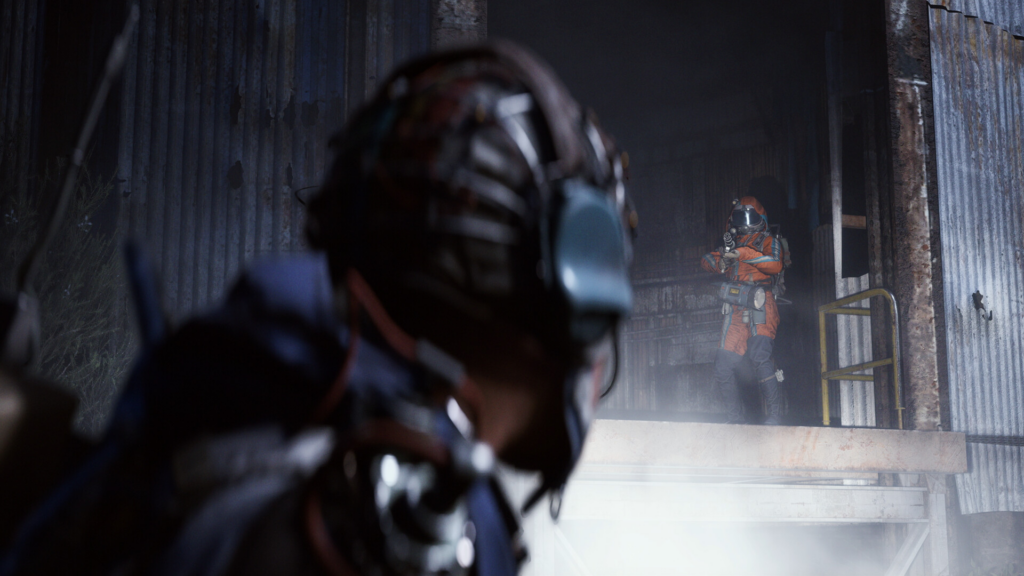
Arc Raiders follows the same structure as other extraction shooters. You gear up in a hub area called Spironza, load into a 30-minute run on one of five maps, grab loot, and try to get out alive.
What you bring back lets you upgrade workstations, craft better gear, and unlock skills. Then you do it again.
Simple in theory. The execution is where things get spicy.
Speranza: Your Home Base
Before every expedition, you’ll hang out in Speranza. Think of it as your apartment between runs. Here’s what actually matters:
Celeste’s Shop trades common items called “assorted seeds” for crafting materials. This is huge for newer players. Instead of hoarding every random item, sell her the basic stuff and get materials you actually need. She restocks on a timer, so check back often.
Shani sells raider hatch keys. You can only buy one per day, and these are basically “get out of jail free” cards. More on that later.
Your Workstations are where you’ll spend most of your between-raid time. Don’t stress about upgrading everything at once. I’ll cover priority order below.
Scrappy is your rooster buddy (yes, really) who generates basic materials for free after each run. Upgrading him early pays dividends.
Maps and Modifiers: Pick Your Poison
The game launches with five maps plus a practice range. Each map has different modifiers that can change how it plays.
Night Raid is a good example. When it’s active, the map goes dark, there are fewer extraction points, and robot enemies are way more aggressive. But the loot quality goes up.
Here’s the cheat sheet:
Yellow outlined areas = medium loot
Red outlined areas = high-value loot
Each location also has a tag like “mechanical” or “technological” that tells you what kind of materials spawn there. If you need electrical components, hitting a mechanical zone is a waste of your limited time.
The edges of maps are usually wide open with minimal cover. They’re faster to cross but incredibly dangerous. Named points of interest in the center have the best loot but are always contested by other players.
The Two Loadout Options
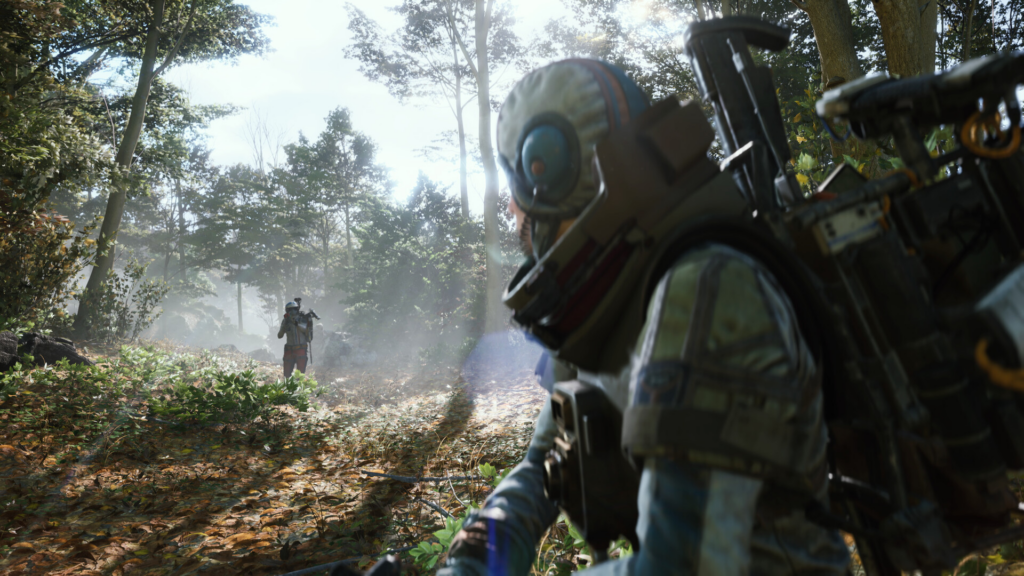
Here’s something I didn’t understand for my first ten hours: you don’t have to risk your own gear every time.
Free Loadouts give you random basic equipment at zero cost. The catch? You can carry way less stuff and extract with fewer items. But anything you DO extract, including the free gear itself, goes into your permanent stash.
This is perfect for when you’re broke or just want to learn a map without risking your good stuff.
Custom Loadouts use your own equipment. You’re more effective, but if you die, it’s gone.
When I was starting out, I did about 70% free loadouts until I understood the maps. No shame in playing it safe.
Your Loadout Slots Explained
If you go custom, here’s what you’re working with:
Augment: This is your backpack/armor in one. It determines how much you can carry, what shield you can equip, how many quick-use slots you have, and whether you get special perks. Don’t overlook this piece.
Shield: Extra health bar, basically. Higher quality shields offer more protection but slow you down. Trade-offs matter here.
Weapons: Two slots, any combination. Bring what you’re comfortable with.
Quick Use Items: Grenades, healing items, buffs. Your augment determines how many you can bring.
Safe Pocket: This is the most important slot in the game. Whatever goes in here comes back to Spironza even if you die. Put your most valuable finds here. You can’t store weapons in it, but blueprints and rare materials? Absolutely.
Before every run, I ask myself: what’s my actual goal here? If I’m hunting players, I bring combat gear. If I’m farming materials, I prioritize carry capacity. Don’t just copy some YouTuber’s loadout without thinking about what you’re trying to accomplish.
The Skill Tree (Where to Actually Spend Points)
You get skill points as you level up, and players can now respec for 2,000 coins per skill point (or through completing Expeditions).
Three trees: Conditioning, Mobility, and Survival.
Start with Mobility. Seriously. This is my biggest piece of advice.
Here’s the priority order I recommend:
- Marathon Runner (reduces stamina cost for moving)
- Youthful Lungs (increases max stamina)
- Calming Stroll (regain stamina while walking)
Later, pick up Effortless Roll (cheaper dodge rolls) and Vaults on Vaults on Vaults (free vaulting).
Why mobility first? Because surviving in this game is about repositioning. You can’t out-damage someone with better gear, but you can outmaneuver them. And running away is a legitimate strategy when you’re outmatched.
The Conditioning tree has some solid options. Used to the Weight lets you wear heavier shields without slowing down as much. Survivor Stamina helps when you’re low on health.
Survival is more situational. Agile Croucher (faster crouch movement) is great. In Round Crafting can save your bacon when things go sideways. Broad Shoulders and Looter’s Luck are solid endgame picks if you’re focused on efficiency.
Don’t spend points the moment you get them. Plan your build out to max level (50 at launch) and work toward that.
Workstation Upgrade Priority
You’ll start with just a basic bench. As you progress, you’ll unlock more specialized stations. Here’s what to prioritize:
First: Scrappy (your rooster). Every upgrade means more free materials between runs. This compounds over time.
Second: Gunsmith. Better weapon attachments and eventually upgraded weapon blueprints. Making your guns hit harder matters.
Third: Medical Lab. Better healing items mean more second chances in fights.
Fourth: Refiner. This converts basic materials into advanced ones while you’re offline. The more inventory slots it has, the more you can convert. This becomes essential for late-game crafting.
Everything else (explosive bench, utility bench, equipment bench) can wait until you’re established.
Items to Hoard for Upgrades
Some upgrade materials are rare enough that you should immediately safe-pocket them when you find them:
- Dog Collar: Scrappy level 2
- Lemons and Apricots: Scrappy level 3 (these spawn more often in raids with the “lush blooms” modifier)
- Toasters and Fireball Burners: Refiner level 2
- Wasp Drivers, Rusted Tools, Mechanical Components: Gunsmith level 2
- Tick Pods, Durable Cloth, Cracked Bioscanner: Medical Lab level 2
When you find these, extract. Don’t get greedy trying to fill your bag. That upgrade item is worth more than another stack of fabric.
The Arcs: When to Fight, When to Run
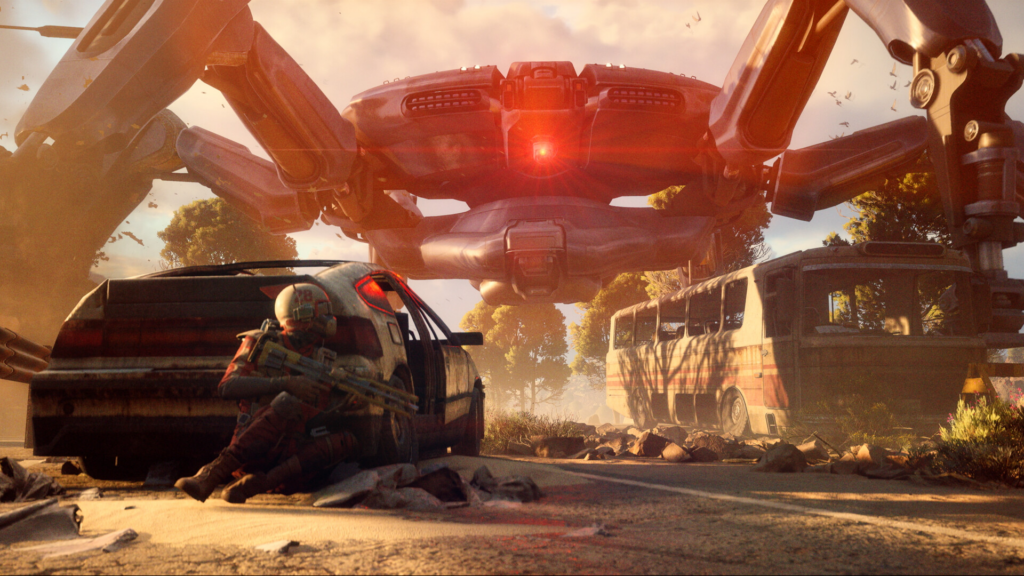
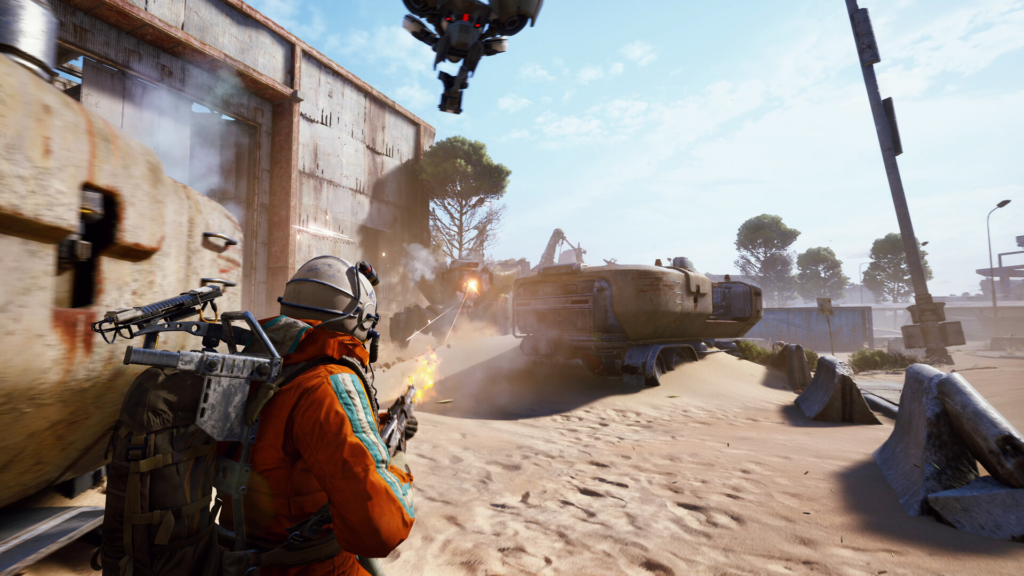
The robot enemies patrolling each map are called Arcs. They’re smart, they hit hard, and they will call for backup if you engage them.
Here’s my rule: if you don’t have a specific reason to kill an Arc, don’t.
Shooting them does two things. First, it can trigger reinforcements that overwhelm you. Second, and this is the big one, it tells every player nearby exactly where you are. While you’re dealing with robots, an enemy squad can third-party you from behind.
If you do have to fight (maybe one spotted you or you’re farming specific parts), target weak points. Otherwise, you’ll burn through ammo and have nothing to show for it.
Sound Design Will Get You Killed (Or Save You)
Arc Raiders has phenomenal directional audio, and most new players don’t realize how much noise they’re making.
Every crate you open can be heard from a distance. Every door breach. Every reload. Even pinging locations or using emotes makes noise.
Sprint only when necessary. Open spaces where you need to cover ground quickly, or when you’re already in a fight and repositioning. Never sprint inside buildings. The echoes are basically a dinner bell.
Crouch when you’re suspicious. If you think someone might be nearby, crouch immediately. It masks your movement sound and lets you gather information.
I’ve gotten kills just by hearing someone reload around a corner. I’ve also died to players I never saw because I was sprinting through a building like an idiot. Learn from my mistakes.
Extraction: How to Actually Get Out
There are two types of extraction:
Raider Hatches are scattered across every map. You need a raider hatch key to use them (buy from Shaunie, craft, or occasionally find). The extraction is instant and silent. This is your “oh crap I have something valuable and need to leave NOW” option.
Regular Extractions (elevators, metro stations, air shafts, depending on the map) require you to activate them, wait for transport, and complete a sequence. They make noise that alerts nearby players.
Here’s a tip nobody told me: you can extract even if you’re knocked down (not fully dead). If you get cracked right as the elevator arrives, crawl in. It might just save your run.
Basic Combat Tips
Third-person shooters play differently from first-person ones. A few things to internalize:
Cover vs. Concealment. A bush hides you, but doesn’t protect you. A metal wall protects you, but make sure it covers your whole body, including your head.
Swap Shoulders. You can peek from either side of cover by swapping your camera shoulder. Learn which button does this and use it constantly. Exposing less of your body wins fights.
Recover Before Re-engaging. If your shield breaks, get behind cover and heal. Fighting with a full shield but barely any health is still dangerous because some damage bleeds through. Top both up before peeking again.
Looting Efficiently
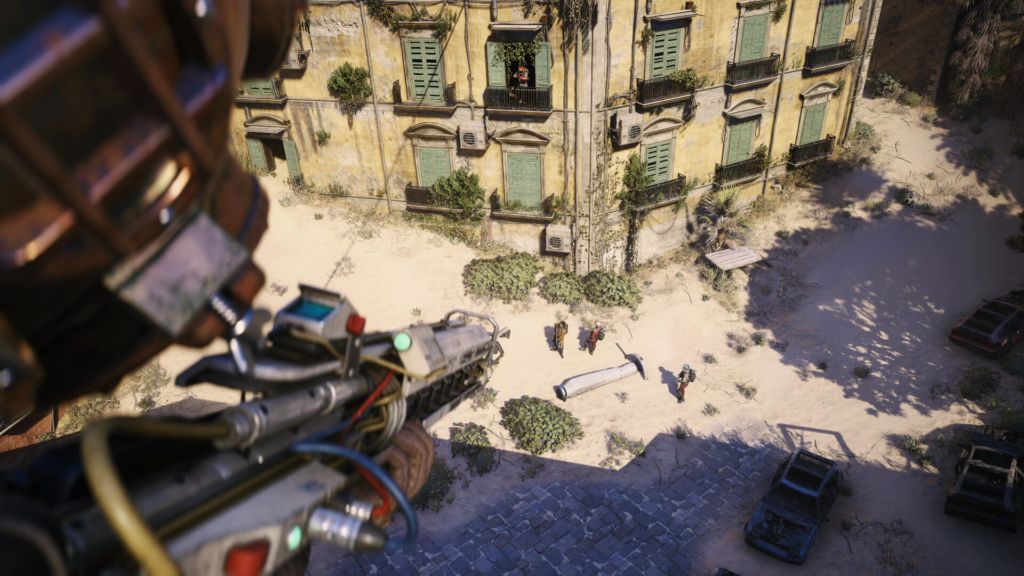
You want to open everything, even if your bag is full.
Why? Every container or body you open gives you XP. That’s how you level up and get skill points. A full backpack is not an excuse to stop looting. Just don’t pick up items.
Also, know the difference between salvaging and recycling. You can salvage items during a raid to break them down, but you get more materials if you extract with them and recycle back in Spironza. If you’re not desperate for space, hold onto stuff.
Finally, locked doors exist across maps and require specific keys. Keys drop randomly and often unlock rooms on different maps. If you find one, extract it and bring it to the correct map later. The loot inside locked rooms is usually worth it.
Your First 10 Hours: A Suggested Approach
Here’s what I’d do if I were starting fresh:
- Run the practice range to test weapons and get a feel for the shooting mechanics
- Do your first 5-10 runs with free loadouts to learn map layouts without risk
- Focus on completing early quests from Spironza NPCs for guaranteed rewards
- Upgrade Scrappy first, then save materials for the Gunsmith
- Prioritize the Mobility skill tree
- Safe-pocket any upgrade items immediately
- Avoid Arcs unless they see you first
Once you’re comfortable with one or two maps and have basic workstations running, you’ll naturally start doing custom loadouts and taking more risks.
The Mindset That Helps
Extraction shooters are punishing by design. You will lose gear. You will die to someone you never saw. You will accidentally alert a whole pack of Arcs and watch your carefully-prepared loadout evaporate.
That’s the game.
What helps is framing each run around a goal. Maybe it’s “I just want to practice navigating this map.” Maybe it’s “I need 20 mechanical parts.” Maybe it’s “I want to fight other players and don’t care if I die.”
Having a goal keeps you from tilting when things don’t go perfectly. And they won’t go perfectly. Not for a long time.
But when you finally string together a great run, extract with a full bag and a key item in your safe pocket, everything you lost along the way feels worth it.
See you topside.
Got your own tips for Arc Raiders? Drop into our Discord and share what’s working for you.