

I’ve been gaming for over 30 years, and I can tell you one thing with absolute certainty: games are supposed to be fun. That’s it. Simple concept, right?
Yet somewhere between local couch co-op sessions and today’s massive online lobbies, we’ve completely lost sight of this basic truth. I’ve watched toxicity become so normalized that we expect it. We brace ourselves for harassment before we even load into a match.
But here’s what I’ve learned from building Two Average Gamers: it doesn’t have to be this way. Non-toxic gaming communities exist, they’re growing, and you can be part of them. This guide will show you exactly how to find them, join them, and even create your own.
- What Makes a Gaming Community Toxic?
- Signs of a Healthy Gaming Environment
- How to Find Non-Toxic Gaming Friends
- Building Positive Gaming Habits
- TAG Community Guidelines & Why They Work
- Tools for Reporting Toxicity
- Creating Your Own Positive Gaming Space
- The Future of Non-Toxic Gaming
- Join the Two Average Gamers Community

What Makes a Gaming Community Toxic?
Let me paint you a picture. Last month, I jumped into a Call of Duty lobby with my buddy who was just getting back into gaming after a two-year break. Within thirty seconds, someone was screaming slurs at him because he missed a shot. Before the match even started, three players had already made it clear that anyone below their skill level wasn’t welcome.
My friend logged off. He hasn’t played online since.
This isn’t just one bad experience , it’s the reality for millions of gamers. So let’s break down what actually makes gaming communities toxic, because understanding the problem is the first step to fixing it.
The Harassment Problem
I remember joining a Counter-Strike server where the first sound I heard was a racial slur. Not “hello,” not “glhf” , hate speech. This happens so often that we’ve started treating it as normal background noise.
The numbers are staggering. Research shows that 83% of women and 60% of men have experienced harassment in online games. That’s not just trolling , that’s systematic behavior that’s driving people away from our hobby.
Gatekeeping Gets Worse Every Year
“You’re not a real gamer if you play on mobile.” “Casual players ruined gaming.” “Git gud or get out.”
I’ve heard all of these, and they’re all complete nonsense. Gaming is for everyone, period. I don’t care if you’re a mobile gamer, a console player, or someone who only plays Animal Crossing , you’re part of this community.
But gatekeepers don’t see it that way. They’ve turned gaming into some exclusive club where you need to prove your worth before you can have fun. It’s exhausting and it’s wrong.
Rage Quitting and Griefing
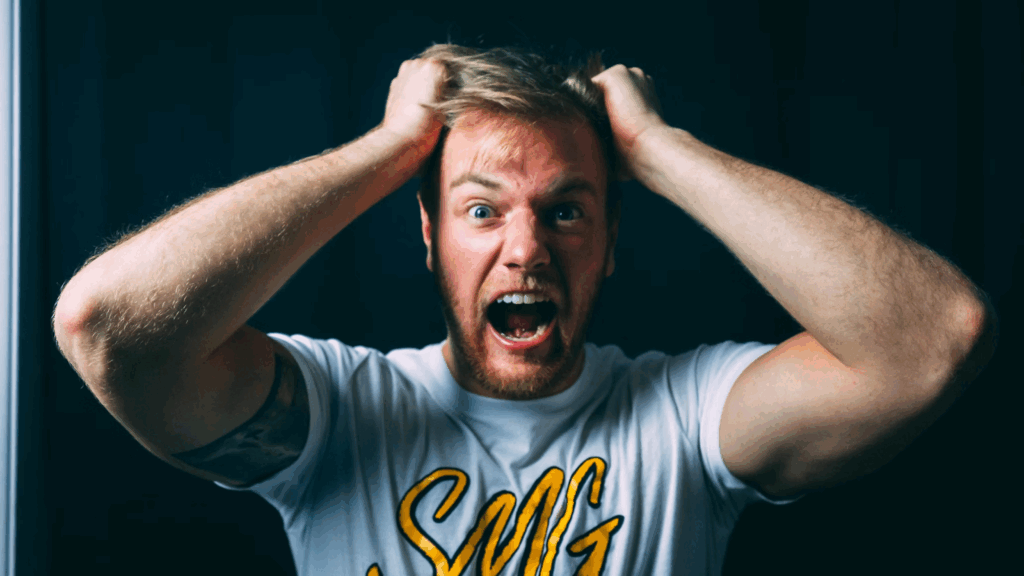
Picture this: You’re 45 minutes into a ranked match. Your team is coordinating well, you’re making good plays, and then your teammate dies once and rage quits. Or worse, they start feeding kills to the enemy team because they’re mad.
I’ve seen this behavior ruin hundreds of matches. It’s not just about losing , it’s about wasting everyone’s time and energy because someone couldn’t handle a setback.
The Skill Shame Game
Not everyone has 40 hours a week to dedicate to gaming. Some people work full-time jobs, have families, or just want to unwind after a long day. But toxic communities make these players feel like they don’t belong.
I’ve watched friends quit games they enjoyed because other players constantly criticized their performance. That’s not building a community , that’s destroying one.
What Toxicity Actually Costs Us
Here’s the real impact:
- We lose players: Millions of people have stopped playing online games because of toxicity
- We lose fun: When you’re constantly worried about encountering toxic players, you can’t relax and enjoy the game
- We lose connections: Toxicity prevents genuine friendships from forming
- We lose potential: Developers spend millions on moderation instead of making games better
The cost isn’t just individual , it’s collective. We’re all worse off when toxicity drives people away.
Signs of a Healthy Gaming Environment
I’ve been part of dozens of gaming communities over the years, and the healthy ones share specific characteristics. Here’s what to look for when you’re evaluating a new community:
Clear Rules That Actually Make Sense
The best communities have guidelines that are easy to understand and actually enforced. I’m not talking about a 50-page document nobody reads , I mean clear, simple rules like:
- Treat other players with respect
- No harassment or hate speech
- Help new players learn
- Keep criticism constructive
- Have fun and let others have fun too
Moderators Who Actually Care
Rules without enforcement are just suggestions. Good communities have mods who respond quickly to reports, apply consequences fairly, and actually engage with the community. They’re not just there to ban people , they’re there to help create a positive environment.
Leadership That Sets the Tone
The vibe of any community flows from its leadership. Look for communities where leaders model good behavior, celebrate positive contributions, and address problems before they explode.
Everyone Feels Welcome
Gaming is for everyone, and healthy communities reflect this. You’ll find players of all skill levels, backgrounds, and interests. New players get help instead of harassment. Different perspectives are valued, not attacked.
Fun Is the Priority
At the end of the day, we’re here to have fun. Healthy communities remember this. They celebrate good plays regardless of skill level, maintain perspective about wins and losses, and create opportunities for positive interactions.

How to Find Non-Toxic Gaming Friends
Finding your gaming tribe takes some effort, but it’s absolutely worth it. Here’s how I’ve connected with amazing players who share my values:
Start With Your Games
Game-Specific Communities: Every game has communities built around it. Some are toxic cesspools, others are goldmines of helpful, friendly players. Look for:
- Official Discord servers with active moderation
- Subreddit communities focused on helping each other
- Steam groups that prioritize cooperative play
- Platform LFG systems with good reputation features
Playstyle Matching: Find communities that match how you actually want to play:
- Casual groups for relaxed sessions
- Competitive teams that maintain good sportsmanship
- Co-op communities for team-based games
- Achievement hunting groups for completionist gameplay
Use the Right Platforms
Discord Servers: Discord has become the hub for most gaming communities. When you’re checking out a server, look for:
- Clear rules that are actually enforced
- Separate channels for different activities
- Regular events and community activities
- Members who are genuinely helpful and welcoming
Reddit Communities: Gaming subreddits can be incredible resources. I’ve found some of my best gaming friends through:
- r/gamerpals for general gaming friendships
- r/GirlGamers for women-focused community
- r/PatientGamers for thoughtful gaming discussions
- Game-specific subreddits with positive, active communities
Platform Features: Don’t ignore the community features built into your gaming platforms:
- Steam groups and forums
- Xbox Live clubs and parties
- PlayStation communities
- Nintendo Switch Online features
Screen Potential Gaming Partners
Not every player you meet will be a good fit. Here’s how I evaluate potential gaming friends:
Start Small: Play a few quick matches before committing to longer sessions. Pay attention to how they react to wins and losses. Notice if they’re supportive of teammates. See if they can handle feedback without getting defensive.
Ask Good Questions
- “What do you enjoy most about gaming?”
- “How do you handle frustrating moments?”
- “What’s your experience with team games?”
- “Are you looking for casual or competitive play?”
Trust Your Gut. If something feels off, it probably is. Red flags include:
- Immediately complaining about teammates
- Making negative comments about other players
- Showing no interest in your gaming preferences
- Getting impatient with learning or teaching moments

Building Positive Gaming Habits
Creating a non-toxic gaming environment starts with your own behavior. Here are the habits that have made me a better teammate and community member:
Communication That Actually Helps
Be Constructive, Not Destructive. Instead of “You’re trash at this game,” try “Let’s focus on positioning this round.” The goal is to help, not hurt. It’s really that simple.
Celebrate Good Plays. A simple “nice shot!” or “good call!” can completely change team morale. I’ve seen teams turn around entire matches just because someone started acknowledging good plays.
Stay Solution-Focused. When things go wrong, focus on what you can fix right now. “Let’s try a different approach” beats “Why did you do that?” every single time.
Managing Your Emotions
Take Breaks When You’re Tilted. I’ve learned this the hard way: my worst gaming experiences happen when I’m already frustrated. If you’re feeling angry or stressed, step away for a few minutes. Your teammates will thank you.
Practice the 24-Hour Rule. If someone does something that really bothers you, wait 24 hours before responding. Most of the time, you’ll realize it wasn’t worth the energy.
Separate Performance from Self-Worth. Losing a match doesn’t make you a bad person. Winning doesn’t make you superior to others. Your value as a human being isn’t determined by your rank or K/D ratio.
Sportsmanship That Matters
Respect Your Opponents. Good sportsmanship means treating opponents with respect, win or lose. Start matches with “glhf” and end them with “ggwp.” It sets a positive tone for everyone.
Help New Players. Remember when you were learning? Be patient with players who are figuring things out. Offer tips instead of criticism. Everyone starts somewhere.
Accept Losses Gracefully. How you handle defeat says more about your character than how you handle victory. Use losses as learning opportunities, not reasons to blame others.
Leading by Example
Model Good Behavior. If you want less toxicity in your games, start by being the change you want to see. Other players often follow the behavioral cues they observe.
Defuse Conflicts. When tensions rise, redirect the conversation back to the game. “Let’s focus on the next round” or “We can still win this” works better than taking sides.
Build Team Unity. Use teammates’ names, acknowledge good plays, and suggest team strategies. These small actions can transform a group of strangers into a cohesive unit.

TAG Community Guidelines & Why They Work
At Two Average Gamers, we’ve built our entire community around three simple principles: Have fun, do good, and get good. These aren’t just marketing slogans , they’re actionable guidelines that create the positive gaming environment we all want.
Have Fun
What This Means: Gaming should be enjoyable for everyone involved. We prioritize the experience over the outcome and remember that we’re all here to have a good time.
How We Make It Happen
- We don’t tolerate behavior that ruins fun for others
- The community encourages positive interactions and good-natured banter
- We remind people it’s just a game when tensions rise
- We celebrate creative plays and funny moments, not just wins
Do Good
What This Means: We believe gaming communities should make the world a little better. Be kind to other players, help newcomers, and stand up against toxicity.
How We Make It Happen
- We actively support players who are learning or struggling
- We recognize community members who go above and beyond
- We have zero tolerance for harassment or hate speech
- We encourage members to report problems and support each other
Get Good
What This Means: Improvement is part of the fun, but it should be about personal growth, not putting others down. We support each other’s gaming journeys.
How We Make It Happen
- We provide constructive feedback and coaching opportunities
- We celebrate improvements at all skill levels
- We share tips and strategies freely
- We maintain spaces for different skill levels and interests
Why These Guidelines Work
They’re Positive. Instead of focusing on what not to do, our guidelines emphasize what we want to see. This creates a culture of encouragement rather than restriction.
They’re Practical. Each principle translates into specific behaviors that members can practice in their daily gaming sessions.
They’re Inclusiv.e Our guidelines work for players of all skill levels, game preferences, and backgrounds. Everyone can participate meaningfully.
They’re Enforceable. These aren’t vague ideas. They’re specific enough that moderators can apply them consistently and fairly.

Tools for Reporting Toxicity
Even in the best communities, problems happen. Knowing how to report toxicity effectively helps maintain a positive gaming environment for everyone.
In-Game Reporting Systems
Most Modern Games Include
- Player reporting functions accessible through menus
- Specific categories for different types of problems
- Text chat and voice communication reporting
- Automated systems that flag repeat offenders
How to Report Effectively
- Use specific categories instead of generic “toxic behavior”
- Include context when possible
- Report immediately while the incident is fresh
- Follow up if the behavior continues
Platform-Specific Tools
Steam
- Profile reporting for inappropriate content
- Community guidelines violation reporting
- Steam Support for serious issues
- Block and ignore functions for problem players
Xbox Live
- Comprehensive reporting through Xbox app
- Voice message and text chat reporting
- Gamertag and profile reporting
- Enforcement notifications so you know action was taken
PlayStation Network
- In-game and profile reporting options
- Community standards enforcement
- Block and report functions
- Parental controls for extra protection
Third-Party Solutions
Discord Reporting
- Direct message harassment reporting
- Server-specific moderation tools
- Community guidelines violation reporting
- User safety settings and privacy controls
Community Tools
- Forum reporting systems
- Direct moderator contact methods
- Dedicated support channels
- Peer reporting and support systems
When to Escalate
Serious Situations Need Immediate Action
- Threats of violence or self-harm
- Doxxing or sharing personal information
- Sustained harassment campaigns
- Illegal content or activities
Document Everything
- Take screenshots of problematic behavior
- Save chat logs when possible
- Note dates, times, and usernames
- Keep records of your reports and responses

Creating Your Own Positive Gaming Space
Sometimes the best solution is building your own community. Here’s how to create a positive gaming environment from scratch:
Define Your Vision
Start with Your Values. What kind of gaming experience do you want to create? Write down your core principles and make them the foundation of your community.
Know Your Audience: Are you building for casual players, competitive gamers, specific games, or something else? Clear targeting helps attract the right members.
Set Clear Expectations. From day one, be explicit about what behavior is acceptable and what isn’t. This prevents confusion and sets the tone for new members.
Choose Your Platform
Discord Servers
- Great for real-time communication
- Robust moderation tools
- Easy to organize by game or activity
- Free to create and maintain
Gaming Clans/Groups
- Platform-specific communities
- Integrated with game systems
- Easy discovery for new members
- Built-in competitive features
Forum Communities
- Perfect for long-form discussions
- Searchable knowledge base
- Structured conversation threads
- Community memory that persists
Build Your Community
Start Small. Begin with friends and trusted players. A small, positive core group beats a large, unmoderated crowd every time.
Recruit Thoughtfully
- Look for players who share your values
- Prioritize character over skill level
- Ask existing members for recommendations
- Screen new members carefully
Create Engaging Content
- Regular events and tournaments
- Game nights and community challenges
- Educational content and guides
- Social activities beyond gaming
Maintain Community Health
Stay Active in Moderation
- Respond quickly to problems
- Be consistent in enforcement
- Communicate decisions clearly
- Learn from mistakes and adjust
Get Regular Feedback
- Ask members what’s working and what isn’t
- Hold community meetings
- Create anonymous feedback channels
- Adapt based on what you learn
Keep Improving
- Stay updated on platform changes
- Learn from other successful communities
- Experiment with new features and activities
- Track community health metrics

The Future of Non-Toxic Gaming
The gaming industry is slowly waking up to the toxicity problem. We’re seeing better reporting systems, AI-powered moderation, and more developer commitment to community health. But real change comes from players like us who refuse to accept toxicity as normal.
What’s Working
Better Reporting Systems: Modern games include more sophisticated reporting tools that actually result in action against toxic players.
AI Moderation: Automated systems can catch obvious toxicity faster than human moderators, creating real consequences for bad behavior.
Developer Investment: More game companies are hiring dedicated teams to address toxicity and investing in community health.
What Still Needs Work
Consistent Enforcement: Many platforms still struggle with applying community guidelines consistently.
Cross-Platform Solutions: Toxicity spans multiple platforms, but solutions remain fragmented.
Cultural Change: Technology alone won’t solve this problem , we need a cultural shift in how we think about online interaction.
How You Can Help
Be the Change. Every positive interaction you have makes the gaming world a little better. Your behavior influences others more than you realize.
Support Positive Communities: Join, participate in, and promote gaming communities that prioritize positive experiences.
Speak Up. Don’t let toxicity slide. Report problems, support victims, and make it clear that toxic behavior isn’t acceptable.
Educate Others: Share what you’ve learned about positive gaming with friends, family, and fellow gamers.

Join the Two Average Gamers Community
We’ve built TAG around the belief that gaming should be fun, inclusive, and positive. Our community proves that non-toxic gaming isn’t just possible , it’s better.
What We Offer
- Active Discord server with moderated channels
- Regular game nights and community events
- Guides and resources for improving your gaming experience
- Supportive environment for players of all skill levels
- Zero tolerance for toxicity and harassment
How to Get Started
- Join our Discord server
- Introduce yourself in the newcomer channel
- Read our community guidelines
- Jump into games with fellow members
- Participate in discussions and events
Community Events
- Weekly game nights for popular titles
- Monthly tournaments with prizes
- Educational workshops on gaming topics
- Community challenges and achievements
- Guest speakers from the gaming industry
Gaming doesn’t have to be toxic. With the right approach, clear guidelines, and committed community members, we can create gaming environments where everyone can have fun, do good, and get good.
If you want to start with the game before the community, our least toxic online games for adults list ranks specific games by how rare harassment actually is.
The choice is ours, and it starts with each individual player deciding to be part of the solution.
Ready to experience gaming the way it should be? Join us at Two Average Gamers and help build the greatest gaming community in the world.